
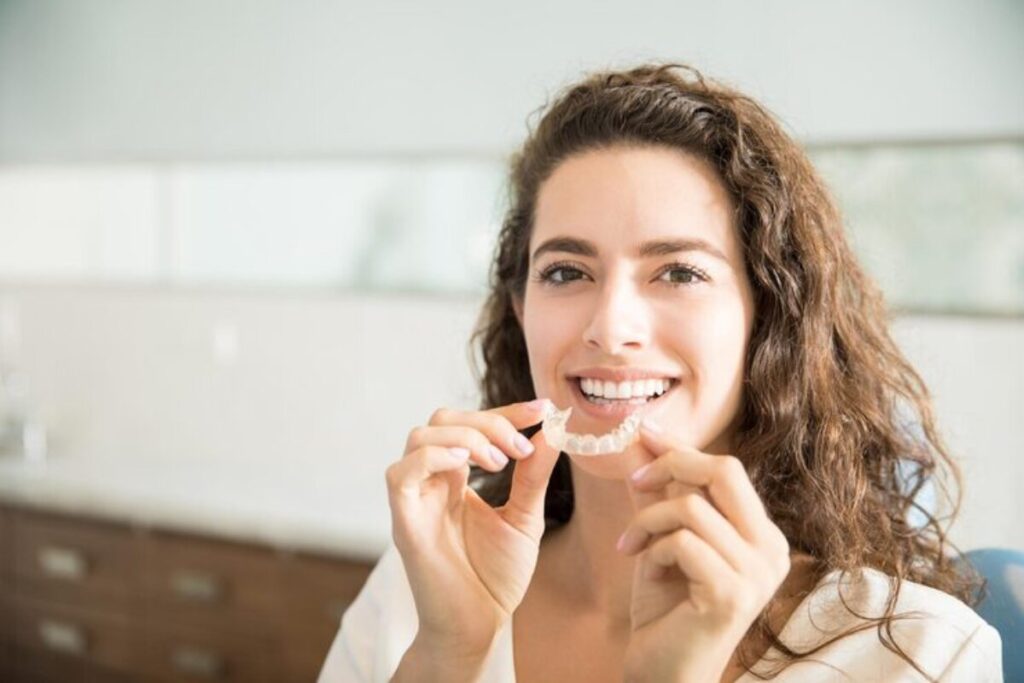
Invisalign can improve some overbites, underbites, and crossbites, but it cannot correct every bite problem on its own. Suitability depends on the cause and severity, including whether the discrepancy comes from tooth position or jaw structure. Invisalign treatment in Surrey starts with an assessment of your teeth, bite, and gum health. This helps identify realistic movement, determine whether additional orthodontic methods are needed, and clarify what results you can reasonably expect before treatment.
A careful diagnosis also helps set expectations about limitations, follow-up, and long-term retention. It also shows whether another orthodontic approach may offer more predictable control for your bite concerns.
What Do Overbites, Underbites, and Crossbites Mean?
These terms describe how upper and lower teeth meet:
- Overbite: Upper front teeth overlap lower front teeth vertically. A deep overbite may contribute to wear or gum irritation.
- Underbite: Lower front teeth sit ahead of upper front teeth. The cause may involve tooth position, jaw growth, or both.
- Crossbite: Upper teeth bite inside lower teeth rather than outside them. It can affect front or back teeth and create uneven contact.
Can Invisalign Correct an Overbite?
Invisalign for overbite may help when the overlap is mainly related to tooth position and the required movements are within the system’s capabilities. Attachments or elastics may guide specific movements.
A deep overbite involving jaw structure, significant wear, or limited space can be more complex. The dentist assesses tooth overlap, gum support, and jaw relationship individually before deciding whether aligners alone are appropriate. Some cases need fixed appliances or combined treatment.
What About an Underbite or Crossbite?
Some mild dental underbites and crossbites may respond to aligners, but pronounced discrepancies need careful planning. A crossbite affecting a few teeth differs from one caused by a narrow upper jaw or broader skeletal imbalance.
Invisalign for crossbite may be an option when the problem is primarily dental and planned movements are achievable. An underbite caused by jaw position may require fixed appliances, specialist assessment, or, in selected severe adult cases, orthodontic-surgical treatment. Aligners cannot correct every skeletal problem.
What Does a Bite Assessment Include?
The examination identifies the cause and whether clear aligners for bite correction are suitable. It may include:
- Bite Relationship: How upper and lower teeth meet.
- Tooth Position: Angulation, crowding, spacing, and room for movement.
- Jaw Relationship: Whether the discrepancy is dental or skeletal.
- Gum and Bone Health: Whether supporting tissues can tolerate movement.
- Records: Digital scans, photographs, and X-rays when indicated.
Findings guide the options. Attachments, elastics, other appliances, or referral may be considered. The plan should explain limitations and tracking concerns.
What Happens During Invisalign Treatment?
Invisalign treatment in Surrey includes a consultation, digital 3D scans, custom aligners, and periodic progress visits. Trays are changed according to the individual plan, while the dentist checks fit and movement.
Consistent wear matters. Remove aligners during meals and when drinking anything other than water, clean your teeth before reinserting them, and follow the prescribed schedule. Retainers are usually needed afterwards to maintain results.
When Might Another Orthodontic Approach Be Better?
A dentist in Surrey can explain whether aligners are suitable or another method offers better control. Fixed braces may help with movements that removable trays cannot achieve as effectively. Significant jaw discrepancies may require orthodontic or surgical consultation. Surgery is not automatic; the cause and severity guide options.
Plan Treatment Around the Cause of Your Bite Concern
The right approach depends on more than appearance and function. Identifying whether the discrepancy comes from tooth position or jaw structure helps set realistic expectations and avoid choosing a method that cannot meet your needs.
Book a consultation with Smile 64 Clayton Dental to have your bite assessed and discuss suitable orthodontic options. A clear plan can help you understand the next steps with confidence. You can move forward knowing what each stage involves.
FAQs
Can Invisalign correct an overbite in adults?
It may improve selected overbites when the issue is mainly related to tooth position. More significant discrepancies in jaw structure may require a different approach. An assessment of tooth overlap, bite function, and jaw relationship helps determine whether aligners are suitable.
Can Invisalign fix an underbite or crossbite?
Some mild dental underbites and crossbites may be treated with aligners. A problem caused mainly by jaw size or position can be more complex and may require fixed appliances, specialist input, or combined treatment depending on its severity and the movements required.
Are clear aligners suitable for severe bite problems?
Not in every case. Severe discrepancies may need fixed braces, additional orthodontic appliances, or specialist assessment. The cause and extent of the problem determine whether aligners alone can safely, effectively, and predictably achieve the planned correction for your specific bite.
Will I need attachments or elastics with Invisalign?
Some treatment plans use small tooth-coloured attachments or elastics to guide particular movements, but they are not required for every case. The dentist should explain why additional components are recommended and how they affect daily wear and cleaning.